
What Makes Designer Furniture the Perfect Choice for Modern Homes?
Introduction
In today’s world, where individuality and aesthetics matter more than ever, designer furniture has become more than just a functional necessity. It’s a lifestyle choice—an expression of taste, refinement, and creativity. Unlike mass-produced pieces, designer furniture combines artistry with functionality, transforming ordinary living spaces into extraordinary experiences. From sleek sofas and custom dining tables to innovative storage solutions, these designs are crafted not only to last but also to inspire.
This blog will dive deep into the world of designer furniture its meaning, features, benefits, and why it continues to be a preferred choice for modern homes across the globe.
What is Designer Furniture?
Designer furniture refers to pieces created by professional furniture designers, often with a focus on uniqueness, aesthetics, innovation, and quality craftsmanship. These are not generic or mass-produced items but curated works of art meant to enhance the ambience of a space while offering comfort and functionality.
Some key characteristics of designer furniture include:
- Distinctive designs – Often limited edition or custom-made to suit personal preferences.
- High-quality materials – From solid woods to premium upholstery fabrics, designer furniture uses materials built to last.
- Attention to detail – Every joint, finish, and stitch is carefully considered.
- Functionality with style – It balances everyday usability with standout design.
In essence, designer furniture bridges the gap between art and utility.
Why Choose Designer Furniture Over Mass-Produced Furniture?
When furnishing a home, many people weigh the cost difference between standard and designer options. While designer furniture may come with a higher price tag, its advantages far outweigh the investment. Here’s why:
- Uniqueness – With designer pieces, your home won’t look like a furniture showroom. Instead, it reflects your individuality.
- Longevity – Built with superior craftsmanship, these pieces often last decades, unlike factory-made alternatives.
- Customization – Many designer brands allow you to personalize materials, finishes, and sizes.
- Sustainability – Designers increasingly focus on eco-friendly production, using responsibly sourced materials.
- Value Addition – Designer furniture enhances the resale value of your home and becomes a talking point for visitors.
In short, designer furniture is not just about sitting on a chair or using a table—it’s about experiencing a lifestyle.
The Rise of Designer Furniture in Modern Homes
With changing lifestyles, open floor plans, and an emphasis on interior design, the demand for designer furniture has skyrocketed. Here are a few trends that explain its rise:
- Minimalist Luxury: Clean lines, subtle colors, and clutter-free designs dominate modern interiors. Designer furniture plays perfectly into this trend.
- Personalized Living Spaces: Homeowners are looking for bespoke pieces that reflect their personality.
- Sustainability and Ethics: Conscious buyers prefer furniture made with eco-friendly materials and ethical labor practices.
- Technology Integration: Designer furniture is evolving with features like modular designs, smart storage, and ergonomic adjustments.
Types of Designer Furniture for Every Room
1. Living Room
- Designer Sofas & Loungers: Comfortable yet visually striking.
- Coffee Tables: Functional pieces with sculptural designs.
- Accent Chairs: A bold chair can define the aesthetic of an entire room.
2. Dining Room
- Designer Dining Tables: Often crafted in wood, marble, or glass, these tables become the centerpiece of family gatherings.
- Luxury Dining Chairs: Ergonomic comfort combined with luxury fabrics.
3. Bedroom
- Designer Beds: From upholstered frames to statement headboards, these beds merge relaxation with beauty.
- Wardrobes & Dressers: Customized storage that complements your interiors.
4. Outdoor Spaces
- Designer Patio Furniture: Weather-resistant yet elegant, perfect for terraces and gardens.
- Loungers & Swings: Designed for comfort under the open sky.
How to Choose the Right Designer Furniture
Selecting designer furniture is not just about choosing what looks good. It involves thoughtful consideration:
- Understand Your Space – Measure your rooms and consider scale. Oversized furniture may overwhelm a small space.
- Define Your Style – Modern, contemporary, minimalist, or classic? Your furniture should match your theme.
- Prioritize Functionality – Choose designs that meet your daily lifestyle needs.
- Material Matters – Invest in durable materials like hardwood, metal, and premium fabrics.
- Long-Term Investment – Remember, designer furniture is built to last. Think of it as a long-term investment.
The Craftsmanship Behind Designer Furniture
What truly sets designer furniture apart is the craftsmanship. Unlike assembly-line products, these pieces are created with passion and skill:
- Handcrafted Excellence: Many pieces involve traditional techniques like hand-carving, joinery, or hand-stitched upholstery.
- Innovation: Designers experiment with unconventional shapes, textures, and materials.
- Attention to Detail: Every angle, seam, and finish is checked to perfection.
This dedication results in furniture that feels alive—pieces that hold stories within them.
Sustainability and Designer Furniture
In an era of conscious consumerism, sustainable designer furniture is leading the way. Many brands now:
- Use reclaimed wood and eco-friendly materials.
- Focus on low-waste production methods.
- Design modular furniture that adapts over time, reducing the need for replacements.
- Ensure ethical labor practices and fair wages.
By choosing sustainable designer furniture, you’re not just elevating your home—you’re also contributing to a better future.
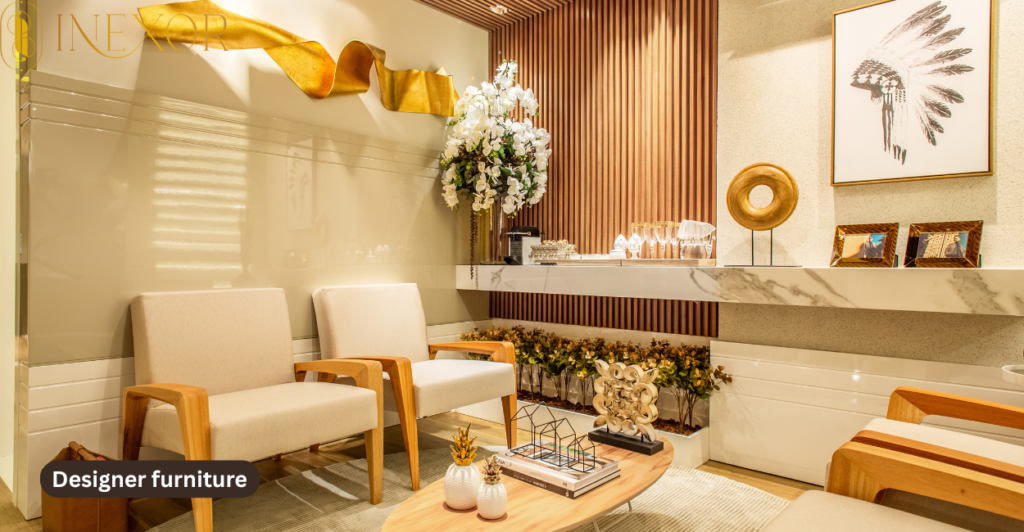
Designer Furniture as a Reflection of Personality
A home says a lot about the people living in it. And with designer furniture, you can truly showcase your personality:
- Bold, avant-garde pieces reflect creativity.
- Minimalist designs show appreciation for simplicity.
- Classic wooden designs convey timeless taste.
Each piece becomes a silent storyteller, adding character to your space.
The Future of Designer Furniture
The future of designer furniture lies in the blend of tradition and innovation. While heritage craftsmanship remains important, technology is shaping how furniture adapts to modern needs:
- Smart Furniture with charging docks, lighting, or adjustable settings.
- Modular Systems that can be reconfigured as lifestyles change.
- AI-Driven Customization where designs are tailored to your preferences in real time.
This fusion ensures that designer furniture will always remain at the heart of luxury living.
Conclusion
Designer furniture is much more than an accessory to your home—it is an investment in style, comfort, and individuality. Unlike mass-produced items, these pieces offer a unique blend of artistry and durability, making your home truly one-of-a-kind. Whether it’s a designer sofa that transforms your living room, a luxury dining table that hosts family memories, or a custom bed that defines your personal sanctuary, each piece becomes part of your story.
So, if you’re looking to elevate your interiors, create a timeless aesthetic, and invest in furniture that lasts a lifetime, designer furniture is the perfect choice.